
Retrospective you say?
Retrospectives are an important part of the Agile development process because they provide a structured opportunity for the team to reflect on their work and identify areas for improvement. Agile development is an iterative process, where the team is constantly learning and adapting to new information and feedback. Retrospectives are used to capture this learning and help the team make meaningful changes in how they work.
Retrospectives help the team to:
- Reflect on their work and identify areas where they can improve.
- Build trust and communication among team members.
- Encourage continuous improvement and learning.
- Identify and remove any obstacles that are blocking the team's progress.
- Identify and implement new practices that will help the team to work more effectively.
- Maintain an adaptive, flexible and self-organizing team.
with that...
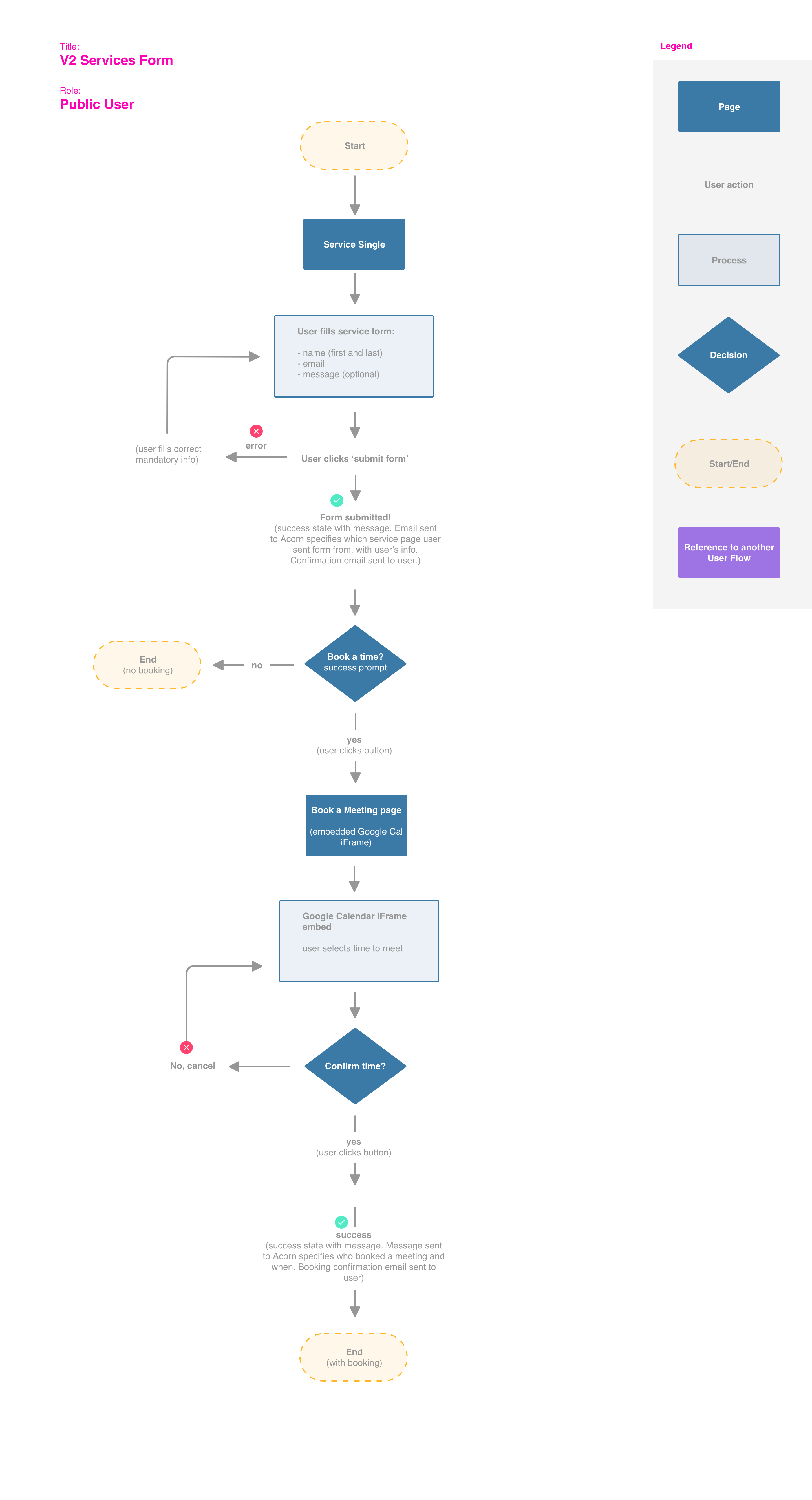
Services are finally live!
Each and every iteration of the Acorn Interactive Inc. website comes with a mixture of improvements, frustrations, and lessons learned. It’s easy for an individual to recall the frustrations and lessons within a given initiative, but it’s extremely important to have a system to capture this on a broader level amongst the stakeholders on the project.
There are a lot of reasons to ignore doing retrospectives.
Saying uncomfortable, or hard, things isn’t easy. All too often we want to amplify success stories and downplay frustrations or negative experiences. It’s only human after all. With that, it's the how part of explaining negative, or unpleasant, experiences within a sprint that really help to drive the future success of a team and, by extension, the software.
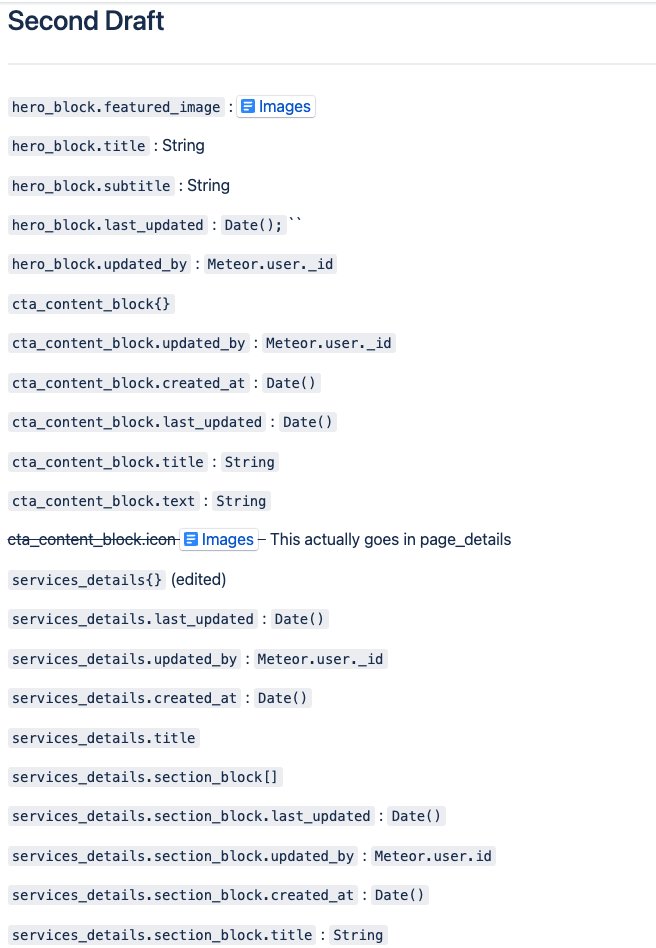
In developing our services pages, we sought to use the exercise to align us with a number of agile best practices while continuing to iterate on our software systems for sales, and developing new customer relationships.
Just an FYI: Retrospectives require time, and details. Saying that, this post is quite long.