Major Takeaways:
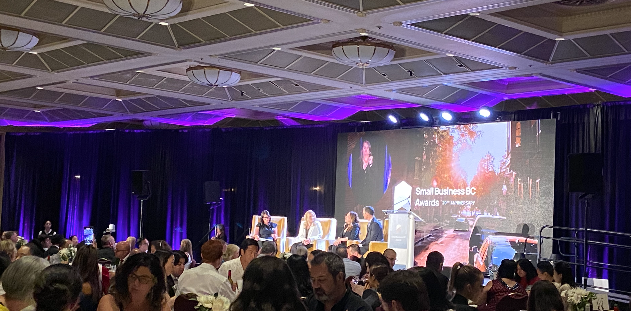
As much of the night was social, I didn't have a ton of time to collect notes on the evening. I was able to draw a couple key themes from keynotes and presenters:
- Meaningfully supporting entrepreneurs in academia and post secondary institutions
- Cultivating entrepreneurial leadership through interdisciplinary approaches like sport, teaching, mentorship, and life experiences
- Points of pains and bottlenecks experienced by entrepreneurs in the post Covid era.
Each one of these talking points is a full conversation onto itself. With that, there's no sugar coating the fact we're navigating a particularly complex chapter of history. In many regions across the continent there are disparities between living expenses, trade and logistics bottlenecks, and isolating meaningful sectors of growth to facilitate meaningful investments.
Working as a software professional with an interdisciplinary team, I can speak to the fact that managing both team and customer expectations amongst a climate of uncertainty has... its moments.
Adding onto their panel discussions about leadership, leveraging experiences to propel value and growth, and creating enmeshed community dynamics to empower entrepreneurs to thrive I have some additions I'd like to make from my own working experience:
- Intergenerational challenges regarding technology are becoming increasingly challenging to navigate. Installing a process within any team requires a significant amount of training, correspondence, testing, and process adjustments to factor in things like real time analytics and actioning decisions from them. Finding ways to both explain developments in technology and roles that stem from advancements should be a major consideration to align capital investments with talent and outcome.
- Interdisciplinary teams are the best. Seeing a former hockey professional meet with a catering service professional and academic reinforced this, and sparked my curiosities on how "roles" work would given their broad experiences. E-commerce for catering (we do have experience here) is a team sport. Accounting, logistics, food preparations, timing, and quality metrics are all measurements of success. Asking oneself rhetorical questions in the confines of an operation could be one strategy organizations could deploy to write functional "user stories" to keep an initiative on the rails.
- Industries outside of technology need your help. It's far too common to see people in the software and technology space being siloed away from applying these skills to applied, and real world, business problems. For example having spoken with Nathan LayFayette, SVP & Chief Insurance Officer at BCAA, was extremely helpful to see the types of knowledge gaps that may exist in the insurance industry. The need for stability in daily operations has to continue, emerging technologies will continue to emerge, these technologies could support and extend the capabilities of an insurance outfit, but the costs of invoking these would require serious planning considerations, training, staff education - and that's just the tip of the iceberg.
- Do your research: Far too often we want to get cracking with the tools and technologies. Ask any user experience designer and they'll quickly tell you about how many successful initiatives are research driven. Technical mastery is, of course, expected to perform any role in our space. Technical mastery met with planning, goal setting, clearly articulated milestones, and sustainable project management methodologies are essential to build it right - the first time.
As I've attended more and more of these events, several key themes appear to be prevalent in modern entrepreneurship. I'd say given the setbacks and challenges of the past few years, it's time to get back to basics and learn about the nature of problems many entrepreneurs are facing. In doing so, agencies like Acorn and beyond can learn how to tailor their core service provisions to support these outfits for success!.